01 / PRIORITIES
Operational load planning
Identify the equipment, environmental systems, communications, security functions, refrigeration, pumps, and other operations that matter during an outage.
Generator-only planning, installation, repair, maintenance, and monitoring for businesses and facilities that need a clear strategy for staying operational through a utility outage.
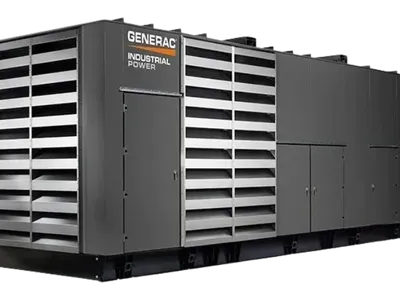
The right backup-power plan connects operational priorities, generator capacity, transfer behavior, site conditions, service history, and response planning instead of treating the generator as a stand-alone box.
Identify the equipment, environmental systems, communications, security functions, refrigeration, pumps, and other operations that matter during an outage.
Coordinate the proposed generator capacity, transfer approach, load-management needs, fuel considerations, controls, and site constraints.
Turn the approved generator plan into a coordinated installation scope with clear equipment, routing, sequencing, testing, and responsibility boundaries.
Investigate start failures, shutdowns, fault codes, output concerns, transfer behavior, and other generator-system problems using evidence from the equipment.
Build service around manufacturer guidance, operating hours, site conditions, system history, testing, documentation, and open recommendations.
Use compatible status information, exercise confirmation, fault awareness, service history, and maintenance coordination to support better decisions.
A commercial generator plan should begin with the operation, not a product size. The goal is to understand what must remain available, what can be staged or managed, and what the proposed system is expected to support.
Discuss the facility, outage exposure, priority operations, existing backup power, service expectations, and the result the business needs.
Assess load priorities, generator and transfer equipment, available records, site conditions, fuel considerations, access, and known constraints.
Carry out the defined generator installation, repair, maintenance, monitoring, or corrective scope and document what was completed.
Confirm expected operation, explain limitations, record open recommendations, and establish the next monitoring, maintenance, or response step.