01 / PRIORITIES
Load & lifestyle review
Identify the appliances, comfort systems, communications, pumps, medical equipment, and other circuits that matter most when utility power is unavailable.
A coordinated whole-home generator installation built around your priorities, electrical demand, property conditions, fuel availability, and the systems you want ready during an outage.
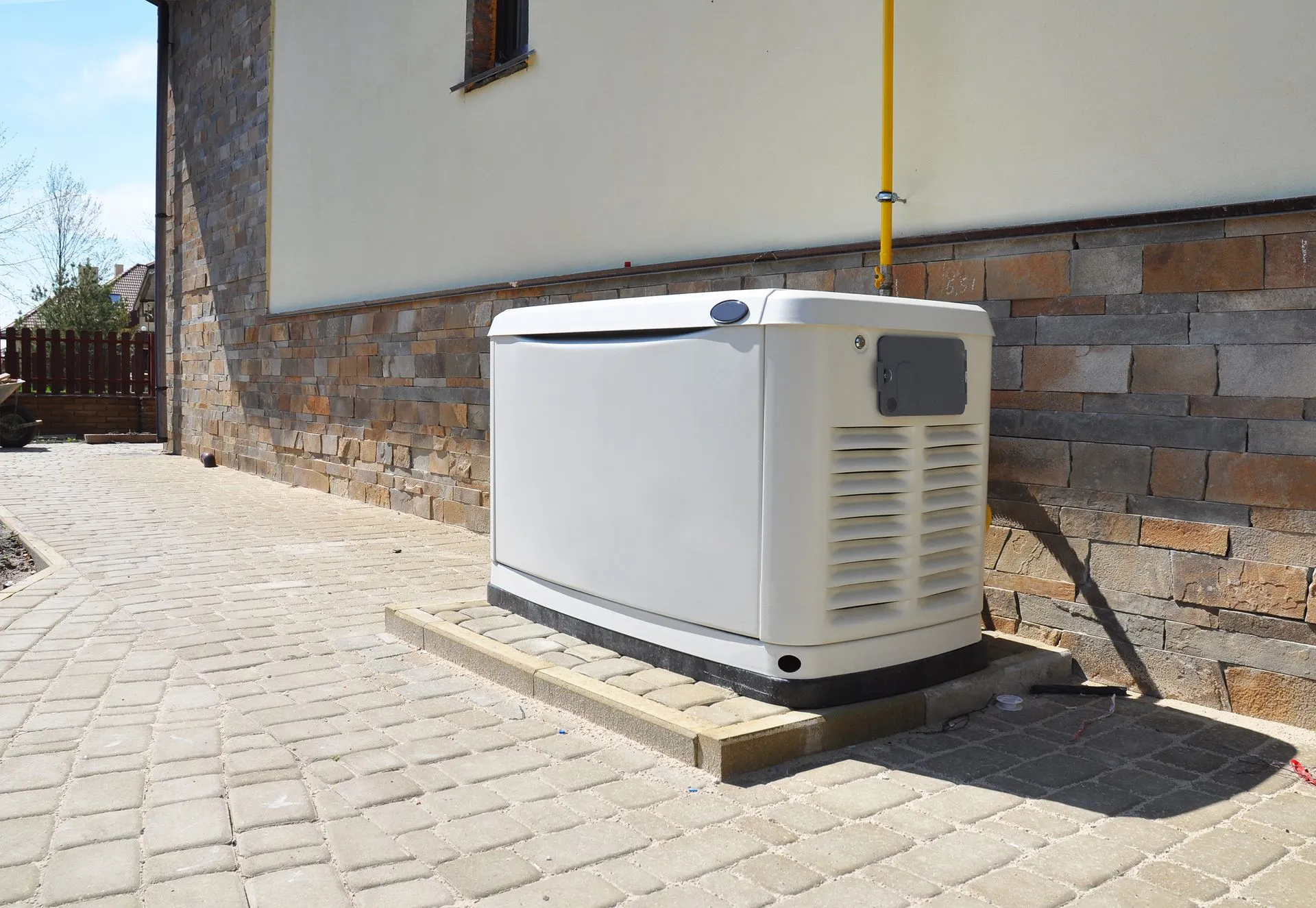
A standby generator is part of a larger backup-power system. The right plan connects household priorities, equipment selection, placement, transfer strategy, fuel, and startup into one coordinated scope.
Identify the appliances, comfort systems, communications, pumps, medical equipment, and other circuits that matter most when utility power is unavailable.
Match the proposed equipment to the approved load plan, expected starting demands, transfer approach, fuel considerations, and future needs.
Evaluate practical placement, access, clearances, electrical routing, fuel routing, drainage, and other property conditions before work begins.
Plan the transfer equipment and electrical integration that detect an outage and move the approved loads between utility and generator power.
Define the work sequence, site preparation, equipment connections, required approvals, and responsibilities that make the installation scope clear.
Verify startup, transfer, operation, shutdown, and return to standby, then review basic system use, monitoring options, and maintenance planning.
The name does not mean every property receives the same generator or that every electrical load can operate at once. A responsible installation begins by defining what needs power, how those loads behave, and how the system will manage them.
Discuss your property, outage concerns, fuel options, priority loads, comfort expectations, and the result you want from backup power.
Review electrical demand, service equipment, transfer options, potential placement, routing, access, and installation constraints.
Complete the approved generator, transfer, electrical, fuel, and site work as one clearly defined installation scope.
Run the startup and transfer sequence, confirm expected operation, explain the system, and establish monitoring and maintenance next steps.