01 / AIR-COOLED
Residential standby
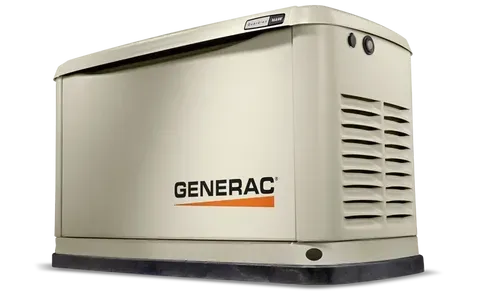
Air-cooled Generac standby generators can serve residential backup-power plans where the approved load, site, fuel, transfer strategy, and operating expectations fit the selected equipment.
Explore generator categories for homes, businesses, and facilities—then build the recommendation around real load priorities, site conditions, transfer strategy, fuel, operating expectations, and long-term service.
The category is a starting point, not the final recommendation. Capacity, configuration, fuel, transfer equipment, site conditions, and service requirements still need to be matched to the property.
Air-cooled Generac standby generators can serve residential backup-power plans where the approved load, site, fuel, transfer strategy, and operating expectations fit the selected equipment.
Liquid-cooled categories may be considered when a property has broader demand, longer operating expectations, a larger load plan, or system requirements beyond an air-cooled recommendation.
Commercial generator planning begins with priority operations, demand, transfer behavior, site and fuel constraints, response needs, and the continuity result the organization expects.
The generator recommendation must be coordinated with the transfer approach that detects utility loss and moves the approved loads between power sources.
Load management may help sequence or limit selected equipment so the proposed generator system supports the approved priorities without overstating capacity.
Compatible monitoring, exercise awareness, documented service history, preventive maintenance, and repair planning support readiness after installation.
A generator should not be selected from square footage or a single popular rating. The responsible starting point is the actual load plan, how equipment starts and operates, and the transfer and management strategy that supports it.
Review the site, outage concerns, existing equipment, fuel context, priority loads, operating expectations, and future needs.
Use current product information and the approved assessment to compare suitable generator, transfer, and load-management options.
Document the selected equipment, placement, transfer approach, connections, site work, responsibilities, testing, and known limitations.
Verify startup and transfer expectations, explain operation, and establish monitoring, maintenance, documentation, and repair support.